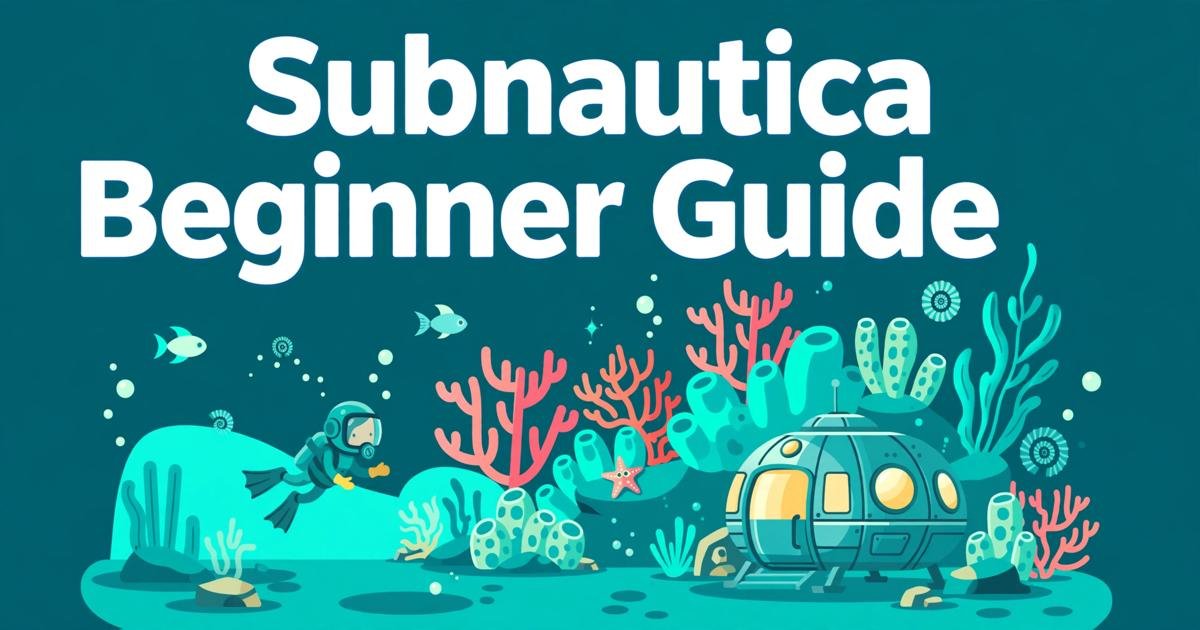
This subnautica beginner guide follows a simple, safe starter route: survive the first minutes in your lifepod, build a Scanner, a Survival Knife and Fins, learn the Safe Shallows, then work toward the Seaglide, the Habitat Builder and the Seamoth. It is written for the original Subnautica, not Below Zero, and it avoids late-game story spoilers so new players can still discover the deeper ocean for themselves.
Contents
SUMMARY: Use this list to jump to the stage you need, from your first minutes in the lifepod to building and driving the Seamoth.
- Start in Lifepod 5 and Learn the Basics
- Build Your First Tools: Scanner, Knife and Fins
- Explore the Safe Shallows Without Rushing
- Craft the Seaglide and Travel Farther
- Build a Base With the Habitat Builder
- Build and Use the Seamoth
- Stay Fed, Hydrated and Safe
- Beginner Mistakes to Avoid
- FAQs
Start in Lifepod 5 and Learn the Basics
SUMMARY: Stay calm, use the lifepod as your first safe base, and learn the Fabricator, storage and health, food and water meters before you swim far.
You begin in Lifepod 5, floating on the surface of an alien ocean. Before exploring, open the Fabricator inside the lifepod and look at what you can already make, check the storage container, and read the messages and data entries that appear as you progress. Those early prompts are the game teaching you its survival loop, so do not ignore them in a rush to dive deep.
Your main limits at the start are oxygen, food and water. Oxygen refills at the surface, so keep your first dives short and always leave enough air to get back up. Food and water can be found near the lifepod, and the Fabricator can turn suitable catches and plants into cooked food and disinfected water. If a meter is falling, return to the lifepod and deal with it before you take another risk.
For official background on the game, see the official Subnautica page from Unknown Worlds and the Subnautica page on Steam. Both are useful starting points, but this guide focuses on what to do in your first hours, in order.
Build Your First Tools: Scanner, Knife and Fins
SUMMARY: The Scanner, Survival Knife and Fins are your best early tools, because they help you learn recipes, gather food and move faster without using much oxygen.
Collect basic materials around the lifepod first, especially Titanium from metal salvage, Copper and Quartz, and the plant and mineral resources shown in your Fabricator recipes. Do not try to memorise every recipe at once. Scan what you find, check the Fabricator after each trip, and build the next useful item as soon as its materials are ready.
| Early tool | Why it helps | What to focus on |
|---|---|---|
| Scanner | Unlocks recipes and information by scanning fragments, creatures and plants | Scan fragments and safe wildlife from a sensible distance |
| Survival Knife | Lets you cut plants and defend yourself at close range | Use it for gathering and only as a last resort in a fight |
| Fins | Makes swimming faster, so you use less oxygen on each trip | Build them early and keep dives short until you are confident |
The Scanner is the most important of the three for long-term progress. Many later items are unlocked only after you scan their fragments, so scan every new fragment you meet in safe water. The Knife and Fins, by contrast, make the basics easier right away: you gather faster, travel faster and spend less time underwater on each run.
Explore the Safe Shallows Without Rushing
SUMMARY: Treat the Safe Shallows as your classroom, learn its fish, plants and landmarks, and only move outward when you can reliably return to air and safety.
The Safe Shallows are the bright, shallow waters around your lifepod, and they are the best place to practise. Learn where food fish gather, where useful plants and minerals appear, and which landmarks help you find your way back. A simple habit helps a lot: pick a visible landmark, such as a distinctive rock formation or your lifepod, and do not swim so far that you lose it.
Watch creature behaviour before you approach anything new. Many small fish are harmless and useful, while larger or more aggressive creatures should be given space, especially early on. If something looks dangerous, back away, return to the surface and try another route. There is no need to fight everything you meet, and in the early game, avoiding a fight is usually the smarter survival choice.
- Keep early dives short and always plan your return to the surface.
- Scan new fragments and plants before you leave an area.
- Store spare materials in the lifepod so you do not lose them if a trip goes wrong.
- Return with food and water in hand, not just materials.
Craft the Seaglide and Travel Farther
SUMMARY: The Seaglide is your first real step outward, because it lets you cover more distance, scout new areas and return to safety faster.
Once you have scanned Seaglide fragments and gathered its materials, build it at the Fabricator and take it on short test runs near the lifepod. You will immediately notice the difference: trips that once took most of your oxygen become quicker, and you can check a new area and still get back comfortably. Use that speed to scout, not to rush into deep water.
With the Seaglide, set a simple rule for yourself: explore in one direction at a time, note landmarks on the way out, and turn back while you still have a comfortable margin of oxygen and battery. The Seaglide needs power, so watch its battery and return to base before it runs out. Good beginners explore like this, in expanding circles around known safe water, rather than swimming in a straight line into the unknown.
Build a Base With the Habitat Builder
SUMMARY: A small base near safe water gives you storage, power, a Fabricator and a place to recover, and it makes every later trip easier.
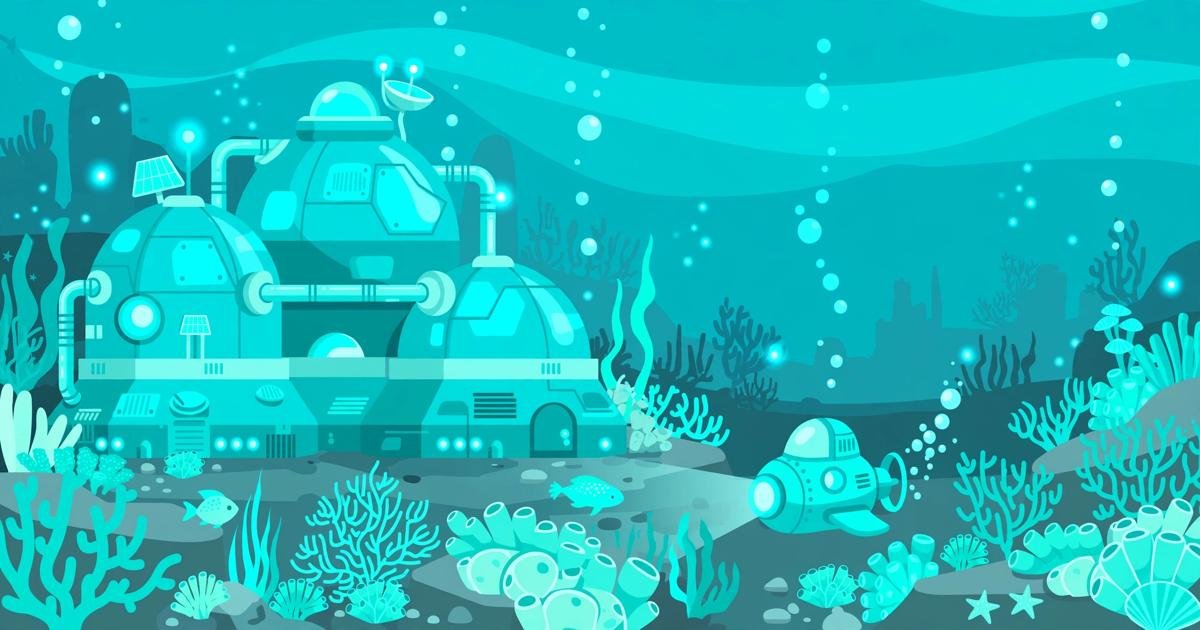
When you can build the Habitat Builder, choose a base site that is close to the Safe Shallows, near useful materials and not too deep for your current equipment. Start small: a compartment or two, a hatch, storage and power are far more useful than a large, unfinished base. A base is a tool, not a trophy, so build only what you will actually use in the next few hours of play.
Inside, add storage for the materials you collect most often, and keep a Fabricator accessible so you do not have to return to the lifepod for every craft. Outside, keep the area clear and easy to approach in your Seamoth later. If your first site turns out to be inconvenient, that is normal: learn what you need from it, then plan a better second base with that experience in mind.
Build and Use the Seamoth
SUMMARY: The Seamoth is a small, fast submersible that protects you, carries light and lets you explore deeper areas than swimming alone safely allows.
After scanning Seamoth fragments and gathering its materials, build it at a Mobile Vehicle Bay and launch it near your base. Practise entering, exiting, driving and docking in safe water before you take it anywhere deep. The Seamoth is not invincible, so keep an eye on its health, avoid aggressive creatures, and return for repairs if it takes damage.
Use the Seamoth to expand your exploration in stages. Visit a new biome, scan what is safe, collect what you need, and return to base to store and craft. As you gain better modules and deeper equipment later, the same habit still applies: go a little farther, learn the area, and only then push on. This steady approach is what turns a confusing ocean into a map you understand.
Stay Fed, Hydrated and Safe
SUMMARY: Treat food, water, oxygen and power as one system, and solve the lowest meter first before you explore farther.
| Need | Early habit | Warning sign |
|---|---|---|
| Oxygen | Plan every dive with a return route to air | You are far from the surface with little air left |
| Food | Cook catches at the Fabricator and carry spares | Health falls because you have eaten nothing for a while |
| Water | Make disinfected water regularly, not only in emergencies | You keep postponing water while exploring |
| Power | Charge batteries and vehicles at base before long trips | A tool or vehicle runs out far from base |
Beginner Mistakes to Avoid
SUMMARY: Most early deaths come from rushing, not from a single creature, so slow down, keep margins of air and power, and save resources for the next step.
- Swimming straight into deep water before you have Fins, a Seaglide or a vehicle.
- Ignoring low food or water because a new area looks interesting.
- Fighting aggressive creatures instead of leaving the area and returning better prepared.
- Carrying everything you own instead of storing spares at the lifepod or base.
- Building a huge base before you have reliable storage, power and transport.
FAQs
SUMMARY: These short answers cover the questions new Subnautica players ask most, without spoiling later story areas.
What should I do first in Subnautica?
Use Lifepod 5 as your base, learn the Fabricator and your food, water and oxygen meters, gather basic materials nearby, and build a Scanner, a Survival Knife and Fins before you explore far.
Where is the safest place to start exploring?
The Safe Shallows around your lifepod are the safest starting area. Learn its landmarks, fish and plants there first, and expand outward in short trips as your equipment improves.
When should I build the Seaglide?
Build it as soon as you have scanned its fragments and gathered its materials. It makes scouting faster and safer, and it is the natural step before a base and a Seamoth.
Do I need a base early in Subnautica?
Not immediately, because the lifepod works at first, but a small base with storage, power and a Fabricator soon makes crafting and longer trips much easier.
Is the Seamoth worth building?
Yes, for most beginners it is the best early vehicle. It is fast, protects you from the open water, carries light, and lets you reach deeper areas in controlled stages.
Is this guide for Subnautica or Below Zero?
This guide is for the original Subnautica only. Below Zero has a different setting, starting area and progression, so its early route should not be mixed with the route described here.
Final Thoughts
SUMMARY: Follow the starter route in order, learn one new area at a time, and you will reach the Seamoth stage with the skills and supplies to enjoy the deeper ocean.
Subnautica rewards patience more than speed. If you build the Scanner, Knife and Fins first, master the Safe Shallows, add the Seaglide, then a small base and a Seamoth, you will have a strong foundation for everything that follows. Keep scanning, keep margins of air and power, and let the ocean reveal itself one area at a time.
If you enjoy structured beginner guides, also read our Satisfactory Beginner Guide, our Factorio Beginner Guide and our Crusader Kings 3 Beginner Guide, and visit the GameCresta homepage for more guides.
For More Updates Visits : GAME CRESTA