
Little Rocket Lab: What It Is, Features, and What to Know!
gamecresta.com >> Gaming>> Little Rocket Lab: What It Is, Features, and What to Know!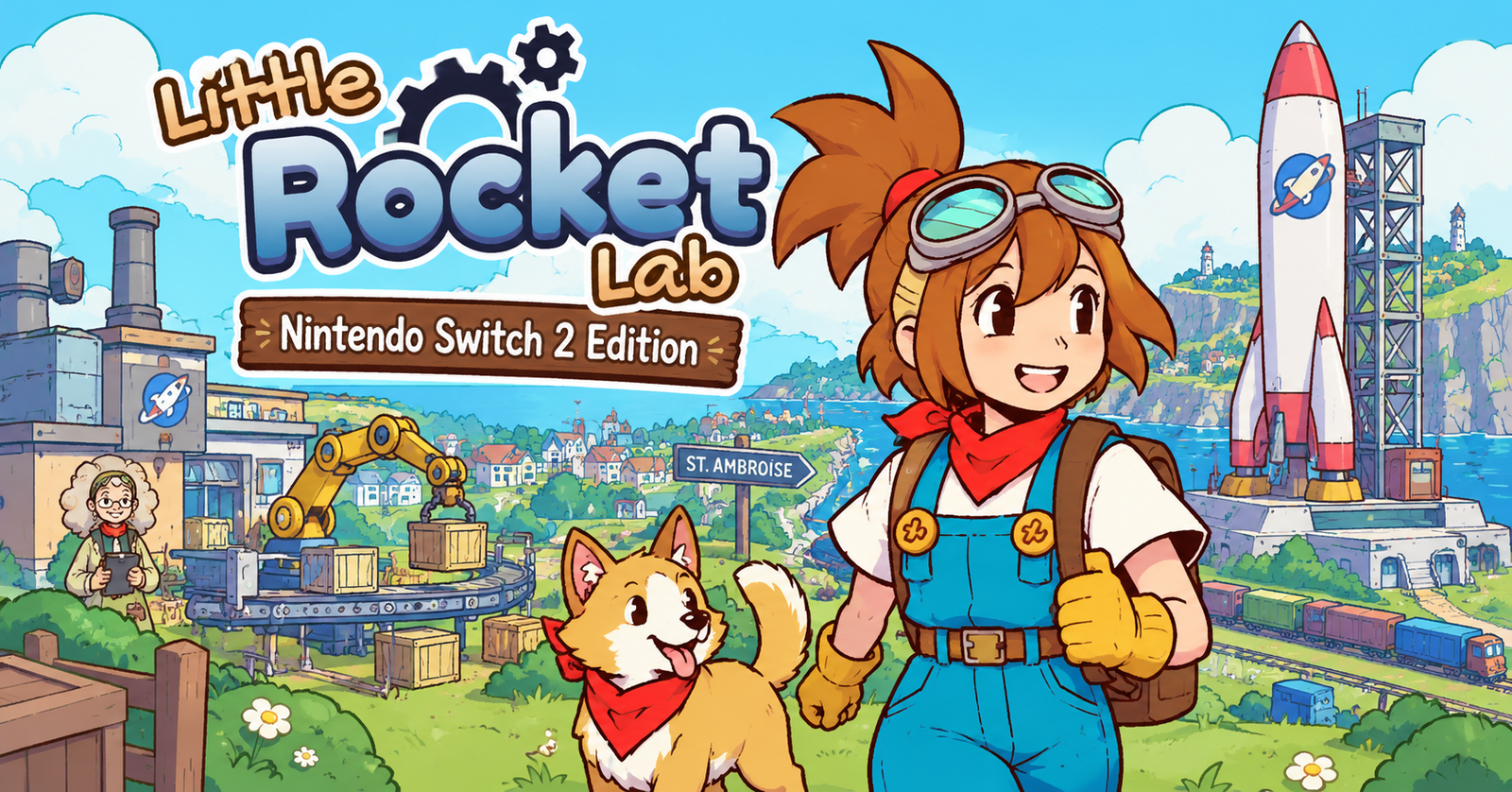
Little Rocket Lab: What It Is, Features, and What to Know!
What Is Little Rocket Lab?
Little Rocket Lab is a single-player indie game developed by Teenage Astronauts and published by No More Robots. Released on October 7, 2025, the game blends factory construction, crafting, resource gathering, exploration, and role-playing elements into a welcoming adventure.
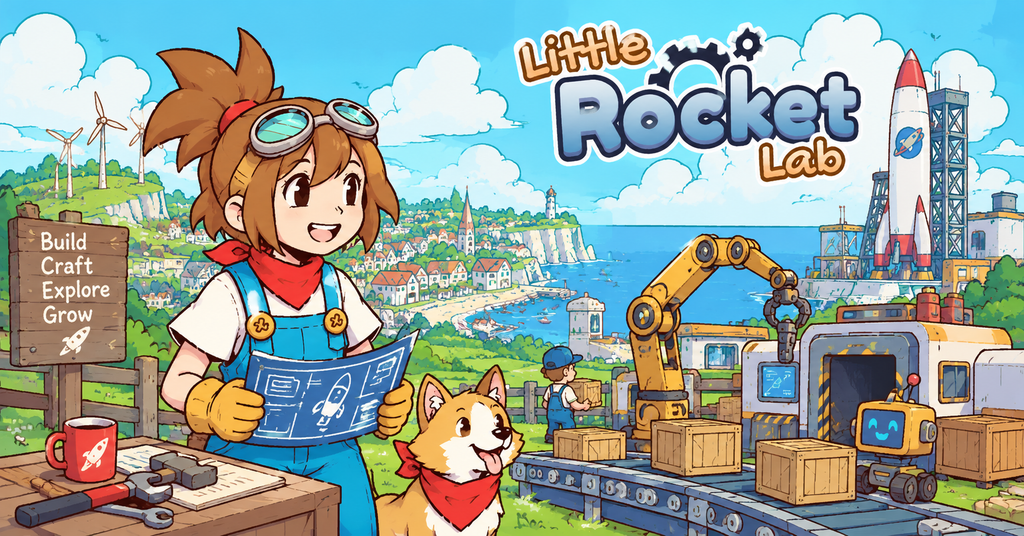
The story follows Morgan, an aspiring engineer who returns to her hometown of St. Ambroise with a dream of completing her family’s rocket project. However, the town needs attention before that dream can become a reality. Morgan must develop machinery, gather materials, help residents, and restore local industry while gradually building toward her larger goal.
Unlike traditional space games that begin with advanced technology or interplanetary exploration, Little Rocket Lab starts with modest equipment and everyday challenges. This gradual progression gives players time to understand the mechanics and experience the satisfaction of turning small projects into increasingly complex systems.
Little Rocket Lab Gameplay and Core Features
Factory Building and Automation
Factory building is one of the central attractions of Little Rocket Lab. Players begin with basic machines and gradually expand their operations using drills, furnaces, assemblers, conveyor belts, cranes, and automated robots.
Each new machine introduces additional possibilities for producing and processing materials. Players must consider how resources move through their production lines and how different pieces of equipment work together. An effective factory can reduce repetitive tasks and make it easier to produce the components needed for larger projects.
This system rewards experimentation. Players can adjust their layouts, improve production processes, and discover more efficient ways to complete objectives. Anyone who enjoys designing organized production lines may find this aspect particularly satisfying.
Resource Gathering and Crafting
Resources provide the foundation for nearly every major activity in Little Rocket Lab. Players explore the surrounding environment, collect materials, process them through machinery, and transform them into useful components.
Crafting becomes more involved as the adventure progresses. Simple materials eventually support more advanced equipment, creating a natural connection between exploration and factory development. Players must understand which resources they need and how to turn them into the items required for their next project.
This progression encourages thoughtful planning without making every task feel like a complicated industrial simulation. The challenge comes from discovering the right production process and finding ways to make it work efficiently.
Exploration and Discovery
St. Ambroise is more than a backdrop for factory construction. The town and its surrounding areas contain resources, characters, and opportunities that help players advance.
Exploration can lead to new materials, useful discoveries, and challenges that introduce additional gameplay mechanics. Different locations, including quarry areas, railway yards, and underground environments, provide opportunities to gather resources and expand production capabilities.
Exploring also helps break up the routine of managing machines. Players can alternate between collecting materials, developing their factories, completing local requests, and progressing through the story.
Relationships and Community
Little Rocket Lab places considerable emphasis on the people who live in St. Ambroise. As Morgan helps residents and contributes to the town’s recovery, players can develop friendships and learn more about the community.
These interactions give the game a more personal dimension than a factory simulator focused entirely on machinery. Instead of producing items only to expand an industrial operation, players can see how their work helps people and addresses problems around town.
The community-focused storytelling also creates a gentler pace. Players can enjoy character interactions alongside engineering challenges, making the overall experience feel more like a combination of a life simulator and a construction game.
The Story Behind Morgan’s Rocket Project
Morgan’s ambition to build a rocket provides the central objective that connects the different gameplay systems. Her journey begins with small engineering tasks, but each completed project helps establish the foundation for something much larger.
Restoring local industry is an important part of that journey. Machinery, production lines, research, and community assistance all contribute to Morgan’s progress. Rather than treating the rocket as an isolated endgame activity, the game makes the process of preparing for it a major part of the experience.
This approach gives ordinary activities a clear purpose. Gathering resources supports crafting, crafting enables better machines, and improved machines make larger projects possible. The result is a progression system in which individual achievements contribute to a broader personal goal.
Is Little Rocket Lab Worth Playing?
Little Rocket Lab may be worth exploring if you enjoy games that reward patience, creativity, and gradual improvement. Its combination of factory management and community storytelling offers a different experience from action-heavy adventures or competitive multiplayer titles.
Players who enjoy designing production systems may appreciate the automation mechanics, while fans of cozy games may be drawn to the town, its residents, and Morgan’s personal journey. The ability to move between exploration, crafting, construction, and character interactions also helps keep the gameplay varied.
However, players seeking intense combat, competitive online matches, or constant high-pressure challenges may find its relaxed approach less appealing. The experience is built around planning, experimentation, and progression rather than fast reactions.
The best way to judge whether the game matches your preferences is to consider how much you enjoy building systems and improving them over time. If creating a working factory and gradually turning a small project into an ambitious achievement sounds appealing, Little Rocket Lab has several qualities worth considering.
Little Rocket Lab Platforms and Availability
Little Rocket Lab launched for PC and Xbox on October 7, 2025. It also became available on Nintendo Switch and Nintendo Switch 2 in December 2025, expanding its reach beyond traditional desktop and console audiences.
PC players can explore the game through its Steam release, while Xbox players can check the Xbox store for current purchasing and subscription options. Nintendo players can look for the corresponding Switch editions.
Availability, pricing, and subscription benefits can vary by platform and region. Players in the United States should check their preferred digital storefront for the current price, edition details, compatibility information, and any available promotional offers before purchasing.
Tips for Getting Started in Little Rocket Lab
Focus on Understanding Production
Early in the game, take time to understand how machines process materials and how individual production steps connect. Learning these fundamentals makes later projects easier to manage and reduces the need to rebuild inefficient systems.
A clear production layout can be more useful than adding machinery without a plan. As new equipment becomes available, consider how it fits into your existing workflow before expanding your factory.
Explore Before Expanding Too Quickly
Exploration helps players discover resources and opportunities that support future upgrades. Visiting different areas and investigating available materials can make it easier to identify what your factory needs next.
Balancing exploration with production also keeps the adventure from becoming repetitive. Switching between gathering, crafting, and construction provides a natural rhythm as the town gradually develops.
Help Residents and Pursue Research
Community requests are an important part of the experience because they connect engineering tasks to the story. Completing requests and progressing through available research can help unlock additional opportunities, machinery, and blueprints.
Rather than concentrating exclusively on factory expansion, pay attention to the residents and objectives around town. Their requests help guide progression and make the wider world feel connected to Morgan’s ambitions.
Conclusion
Little Rocket Lab combines factory building, automation, resource management, exploration, and character-driven storytelling into a distinctive indie gaming experience. Morgan’s journey to complete her family’s rocket project gives players a clear long-term objective while leaving room to experiment with machines, improve production lines, and help the residents of St. Ambroise.
For players in the United States who enjoy cozy simulation games and creative engineering challenges, Little Rocket Lab offers an appealing alternative to more intense or competitive games. Its greatest strength is the way everyday tasks contribute to a larger achievement, making progress feel rewarding from the first machines to the eventual rocket-building goal.
Whether you are interested in factory automation, crafting systems, or relaxed adventures with meaningful characters, Little Rocket Lab is worth considering if these elements match your gaming preferences.
FAQs
What is Little Rocket Lab?
Little Rocket Lab is a single-player indie game that combines factory building, automation, crafting, exploration, and role-playing elements. Players control Morgan, an aspiring engineer working to restore her hometown and complete her family’s rocket project.
Who developed Little Rocket Lab?
Little Rocket Lab was developed by Teenage Astronauts and published by No More Robots. The game combines industrial production mechanics with a cozy setting and a story centered on engineering, community, and personal ambition.
When was Little Rocket Lab released?
Little Rocket Lab launched on October 7, 2025, for PC and Xbox. The Nintendo Switch and Nintendo Switch 2 versions followed in December 2025.
What platforms support Little Rocket Lab?
Little Rocket Lab is available on PC through Steam, Xbox platforms, and Nintendo Switch and Nintendo Switch 2. Players should check the relevant storefront for current compatibility and edition information.
Is Little Rocket Lab a multiplayer game?
Little Rocket Lab is designed as a single-player experience. Its gameplay focuses on individual factory development, resource gathering, exploration, character relationships, and progression through Morgan’s story rather than competitive online multiplayer.
What type of gameplay does Little Rocket Lab offer?
The game combines factory construction, automation, crafting, resource collection, exploration, and community interactions. Players build machines, organize production lines, discover materials, complete requests, and gradually work toward constructing a rocket.
Is Little Rocket Lab suitable for casual gamers?
Little Rocket Lab may appeal to casual gamers who enjoy relaxed progression, creative building, and exploration. Its cozy atmosphere and gradual introduction of mechanics make it an option for players who prefer thoughtful problem-solving over constant combat or competitive pressure.
Is Little Rocket Lab worth buying?
Whether Little Rocket Lab is worth buying depends on your interests. Players who enjoy automation, factory management, crafting, and character-driven adventures may find it appealing. Checking current platform pricing, gameplay footage, and available reviews can help you decide whether it suits your preferences.
For more updates visit: GAME CRESTA
Related Post