
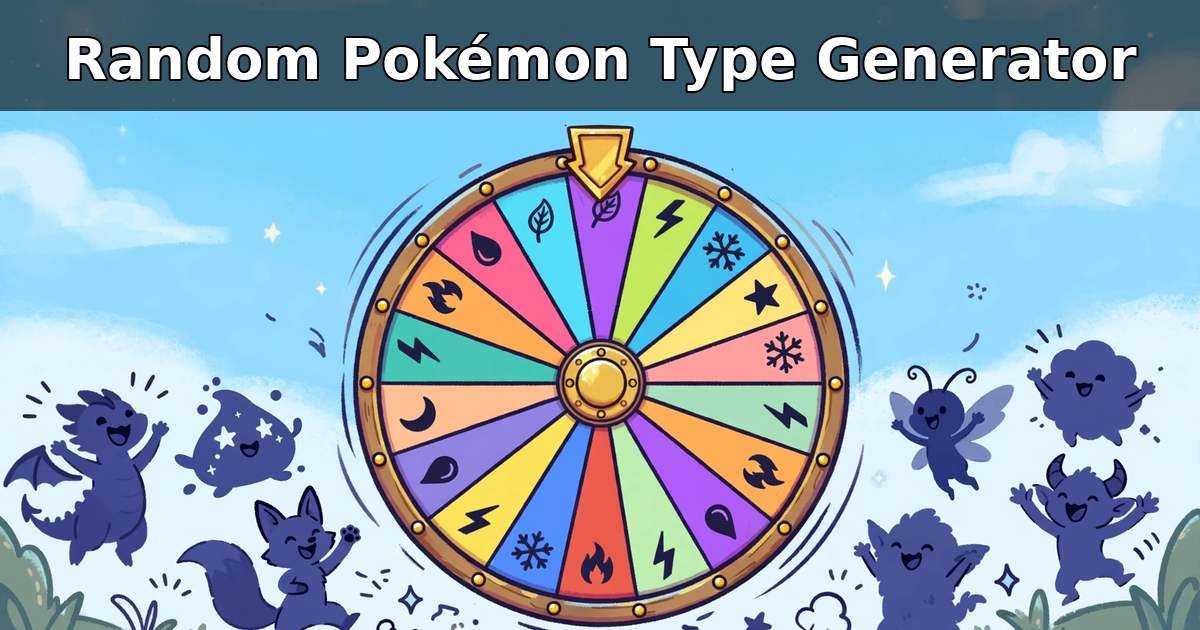
Choosing a type is the first decision in almost every Pokémon challenge, and a random pokemon type generator makes it in one click. Instead of picking your favourite type again, you spin and let chance hand you Fire, Ghost or Steel, and the result shapes your whole run. This guide explains what a random pokemon type generator is, how it works, and the best free tools to use.
Table of Contents
- What Is a Random Pokémon Type Generator?
- How a Random Pokémon Type Generator Works
- The 18 Pokémon Types at a Glance
- Single Type vs Dual Type Rolls
- Best Uses: Nuzlocke Runs and Monotype Challenges
- Team Building and Random Battles
- How to Read the Type Chart After Your Roll
- Best Random Pokémon Type Generator Tools
- Common Mistakes to Avoid
- Frequently Asked Questions
What Is a Random Pokémon Type Generator?
SUMMARY: This section explains what a random pokemon type generator is and what it gives you with each roll.
A random pokemon type generator is a free online tool that picks one Pokémon type at random from the 18 types in the games, or a pair of types in dual mode. Press a button or spin a wheel, and it returns a result such as Water, Dragon or Fire/Flying, with its strengths, weaknesses and example Pokémon. A random pokemon type generator does not pick a Pokémon for you; it picks the type, and you build your team around it.
Players who always choose the same starters end up replaying the same game. A random pokemon type generator breaks that habit by removing the choice entirely, so every run starts with a surprise. It is used for monotype challenges, Nuzlocke runs and random battles, and the best versions are free with no account needed.
How a Random Pokémon Type Generator Works
SUMMARY: This section explains how a random pokemon type generator picks a type, from the random number behind the spin to the matchup summary it shows.
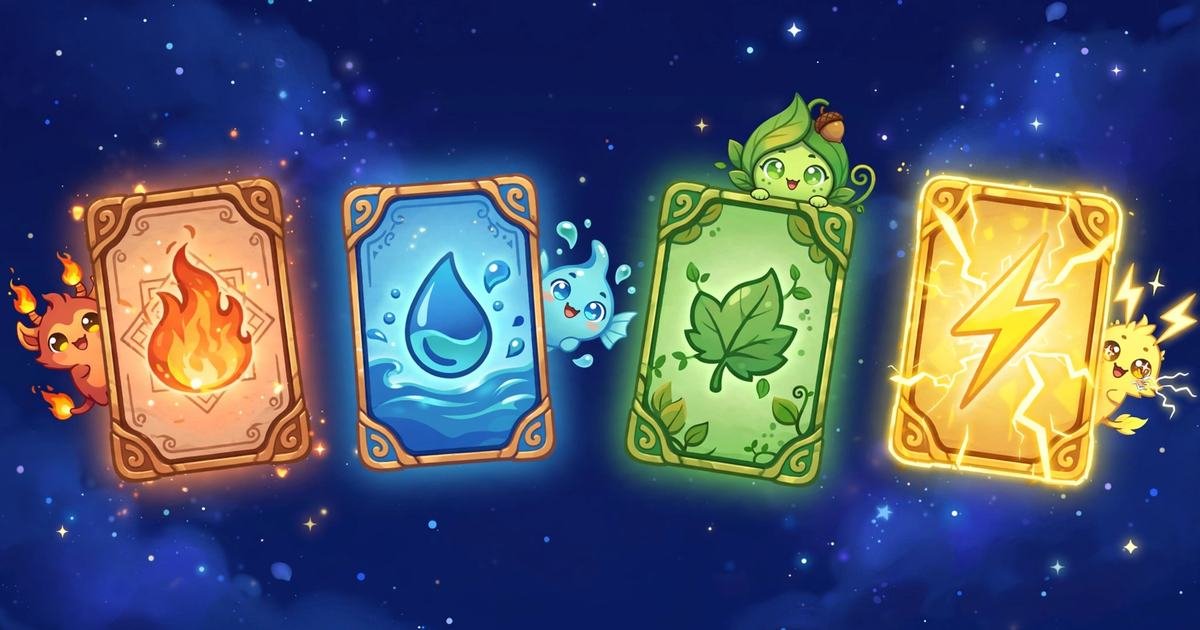
Under the surface, a random pokemon type generator is a small random-number tool: it holds the 18 types, generates a random number, and returns the type at that position. Many tools run the draw in your browser using the browser’s cryptographic random source, so results are never weighted or predictable. A wheel version shows the same process visually: 18 coloured segments, one per type, and the pointer stops on your result.
After the roll, a good random pokemon type generator lists what the type is weak to, what it resists, what it is immune to and which Pokémon share it, so you can plan immediately. Dual mode draws twice, giving one of the 153 possible two-type combinations.
The 18 Pokémon Types at a Glance
SUMMARY: This section lists all 18 types a random pokemon type generator can roll, with a quick note on each one.
Every random pokemon type generator draws from the same 18 types, stable since Generation 6 added Fairy in 2013: Normal, Fire, Water, Electric, Grass, Ice, Fighting, Poison, Ground, Flying, Psychic, Bug, Rock, Ghost, Dragon, Dark, Steel and Fairy. A Fire roll means worrying about Water, Ground and Rock attacks; a Ghost roll enjoys two immunities, to Normal and Fighting moves.
| Type | Strengths | Weaknesses |
|---|---|---|
| Normal | One weakness | Fighting |
| Fire | Grass, Ice, Bug, Steel | Water, Ground, Rock |
| Water | Few weaknesses | Grass, Electric |
| Electric | Fast, paralysis | Ground |
| Grass | Status moves | Fire, Ice, Flying, Bug, Poison |
| Ice | Dragon, Flying, Ground, Grass | Fire, Fighting, Rock, Steel |
| Fighting | Normal, Rock, Steel, Ice, Dark | Flying, Psychic, Fairy |
| Poison | Toxic, Fairy coverage | Ground, Psychic |
| Ground | Electric immunity | Water, Grass, Ice |
| Flying | Ground immunity | Electric, Ice, Rock |
| Psychic | Special attackers | Bug, Ghost, Dark |
| Bug | Early speed | Fire, Flying, Rock |
| Rock | Defence | Water, Grass, Fighting, Ground, Steel |
| Ghost | Two immunities | Ghost, Dark |
| Dragon | Powerful attackers | Ice, Dragon, Fairy |
| Dark | Psychic immunity | Fighting, Bug, Fairy |
| Steel | Most resistances | Fire, Fighting, Ground |
| Fairy | Dragon immunity | Poison, Steel |
Steel has the most resistances, so a Steel roll is often celebrated; Grass has the most weaknesses, so a Grass roll is a real challenge. Check the full 18-by-18 type chart once your roll is in.
Single Type vs Dual Type Rolls
SUMMARY: This section compares single-type and dual-type rolls in a random pokemon type generator and explains the 171 possible combinations.
Most tools offer two modes. Single mode rolls one of the 18 types, so the odds of any one type are 1 in 18 and every Pokémon on your team must share it. Dual mode rolls a pairing: 18 singles plus 153 two-type combinations make 171 possible outcomes. Dual mode can hand you famous pairs such as Fire/Flying or Water/Ground, or rare pairs no Pokémon actually has yet.
Dual rolls are more interesting but harder to play: a dual type combines both types’ weaknesses and resistances, so Fire/Flying is weak to Rock four times over, while Water/Ground has only one weakness, Grass. New to random-type challenges? Start with single mode. Want a surprise every time? Accept whatever the random pokemon type generator gives you, even Ice/Bug.
Best Uses: Nuzlocke Runs and Monotype Challenges
SUMMARY: This section explains how a random pokemon type generator powers Nuzlocke runs, monotype challenges and other fan rules.
The most popular use for a random pokemon type generator is the monotype challenge: roll a type and play the whole game using only Pokémon of that type. It forces you to use Pokémon you would normally ignore and plan around gyms that counter your type. A Fire run makes the first Water gym a boss fight, while a Bug run turns the early game into a scramble for anything that can hit Rock types. The random pokemon type generator makes the challenge honest, because you cannot quietly re-roll until you get Dragon.
In a Nuzlocke, you catch only the first Pokémon on each route and any Pokémon that faints is considered dead, so every choice matters more. Rolling your type first with a random pokemon type generator adds a second rule: you may only catch Pokémon of your rolled type, which makes some routes empty and others precious. Friend groups also use it for draft races, where everyone rolls a different type and races to finish the game.
Team Building and Random Battles
SUMMARY: This section shows how to turn a random pokemon type generator roll into a balanced team for battles and casual play.
A roll is only the start: the team you build from it decides whether the run is fun. List the Pokémon of your rolled type available in your game, then pick six that cover different roles: attacker, wall, support and a counter to your team’s weaknesses. Coverage moves still matter: a Water team with Ice Beam handles Grass and Dragon threats, and a Fighting team with Rock or Dark coverage handles Flying and Psychic threats.
Random battles with friends are another good use. Each player rolls a type with a random pokemon type generator, builds a team of six from that type in Pokémon Showdown or in the games, and battles. The format is fair because nobody chose a type to counter anyone else, and it rewards type-chart knowledge over knowledge of the strongest Pokémon. For casual play, roll a type for one evening: a good way to learn a type you have never used.
How to Read the Type Chart After Your Roll
SUMMARY: This section explains how to read the type chart for your rolled type, including weaknesses, resistances and immunities.
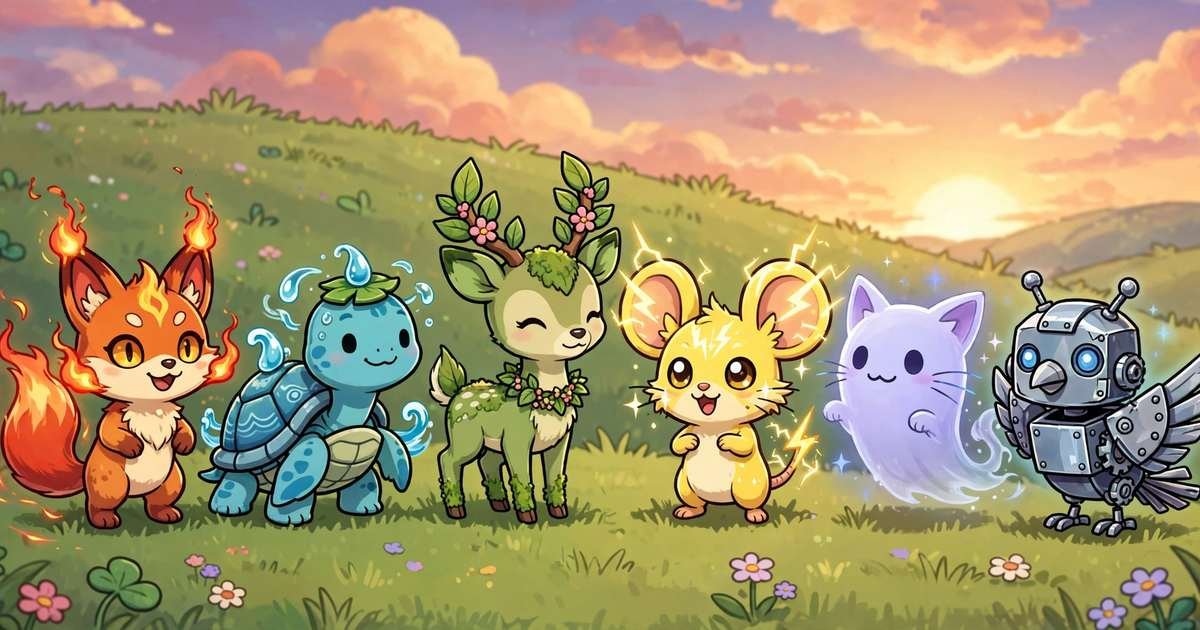
Once a random pokemon type generator gives you a type, the type chart is your next stop. The chart is an 18-by-18 grid: attacking types down one side, defending types across the top, and multipliers in the cells. A 2x cell means super effective, 0.5x means not very effective, and 0x means no effect. When you defend, read across your type’s row; when you attack, read down its column.
Three rules cover most of what you need. First, know your weaknesses and carry a counter for them. Second, remember immunities, because they are free switches: Ground attacks do nothing to Flying types, Electric attacks do nothing to Ground types, and Normal and Fighting attacks do nothing to Ghost types. Third, check your attacking coverage so you are not walled. A random pokemon type generator usually shows a short version of the chart for your result. For type matchups, see our All Dragon Type Pokémon guide and our Best Grass Type Pokémon guide, and the type chart on Pokémon Database.
Best Random Pokémon Type Generator Tools
SUMMARY: This section lists the best free random pokemon type generator tools and what each one offers.
The dedicated option is the Random Pokémon Type Generator at random-pokemon-generator.co, built around a spinning wheel with all 18 types. It offers single and dual modes and shows matchups, rarity and example Pokémon for every result, and the wheel makes the roll feel like part of the game.
Pokémon Lab at pokemonlab.co is a broader toolkit with a type randomizer covering all 171 combinations, plus a random Pokémon generator with filters. A third option is generate-random.org, which picks from all 1,025 Pokémon across Generations 1 to 9 with type filters. All three are free, need no account and run in your browser. For more Pokémon guides, start from the GameCresta homepage.
Common Mistakes to Avoid
SUMMARY: This section lists the mistakes that spoil a random pokemon type generator challenge, from re-rolling to ignoring the type chart.
The biggest mistake is re-rolling until you get a type you like. The whole point of a random pokemon type generator is that the roll is final, and re-rolling turns a challenge into a choice. If your roll is impossible in your game, agree the rule before you roll: one free re-roll, then commit. The second mistake is ignoring the type chart and building six attackers with no defensive plan.
Dual-type Pokémon count if either type matches your roll, giving you far more options than single-type Pokémon alone. Do not skip status moves and support Pokémon: a monotype team needs them more than a mixed team does. Finally, remember that a random pokemon type generator is a fan tool, not an official Pokémon product: it is not affiliated with Nintendo, Game Freak or The Pokémon Company, and it works in every generation because the 18 types have not changed since 2013.
Frequently Asked Questions
SUMMARY: This section answers the six most common questions about a random pokemon type generator, its odds and its best uses.
What is a random Pokémon type generator?
A random pokemon type generator is a free online tool that rolls one of the 18 Pokémon types, or a dual-type pair, at random. Results usually include weaknesses, resistances and example Pokémon, so you can start a challenge straight away.
How many types can a random Pokémon type generator roll?
Single mode rolls one of 18 types; dual mode rolls one of 171 combinations: 18 singles plus 153 pairs.
Is a random Pokémon type generator really random?
Yes. A random pokemon type generator gives each of the 18 types the same chance in single mode, and each of the 171 combinations the same chance in dual mode. There is no weighting toward popular types.
What is the best type to roll?
No type is best: every type has weaknesses. Steel has the most resistances, Dragon has the strongest attackers, and Water has the fewest weaknesses. The best roll pushes you to try Pokémon you have never used.
Can I use a random Pokémon type generator for a Nuzlocke?
Yes. Roll your type first with a random pokemon type generator, then play a Nuzlocke using only Pokémon of that type. Treat fainted Pokémon as lost, and keep the roll final.
Is a random Pokémon type generator official?
No. A random pokemon type generator is a fan-made tool, not affiliated with Nintendo, Game Freak, Creatures or The Pokémon Company. It is free to use in your browser with no account.
For More Updates Visits: GAME CRESTA